Introduction: You graduated from St Andrews, so why do you still need to worry about verification when you return home?
Every graduation season, students and parents from the University of St Andrews ask me similar questions:
“My child has received their St Andrews master’s degree certificate and transcripts, but the employer in China requires ‘academic verification’. How does that work?”
“Will a St Andrews diploma be accepted for household registration and civil service exams in China? Which is more important – the degree certificate or the transcript?”
“There are a few low marks on the transcript. Will that affect the verification?”
These concerns are very real. The University of St Andrews is the third-oldest university in the English-speaking world, with an outstanding academic reputation. Its philosophy, international relations, history, and physics programmes are highly regarded in China. But precisely because the university is well known and its programmes are strong, many families overlook the final step – completing St Andrews University diploma and transcript academic verification. Many people assume that having the degree certificate is enough, only to discover during employment, household registration, or civil service applications that their documents are incomplete. By then, urgent fixes cause unnecessary delays.
In this article, I will use my years of experience helping returning students organise their documents to explain the logic, steps, and common pitfalls of St Andrews University diploma and transcript academic verification in plain language. No jargon, no policy recitation – just as if I were helping you sort through your documents one by one.
First, clarify: what does St Andrews academic verification actually check? What roles do the diploma and transcript play?
Many parents assume that academic verification simply means “checking whether the degree certificate is genuine”. That understanding is incomplete.
Academic verification is not the same as an apostille, and it is more than just a counterfeit check
The Chinese Service Center for Scholarly Exchange (CSCSE) academic verification is an independent review of the academic qualifications you obtained abroad. It focuses on three things:
-
Whether the institution you attended is recognised.
-
Whether your study experience is genuine and complete.
-
Whether the degree certificate you ultimately obtained was legally awarded by the university.
Within this review, the degree certificate and the transcript play different roles:
-
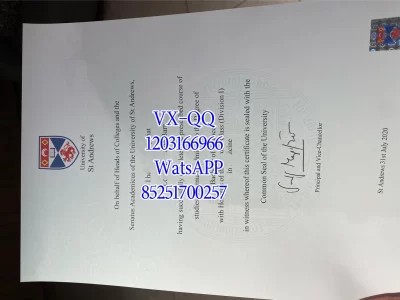
Original degree certificate: the core document for academic verification. It proves that you completed your studies and were awarded the degree.
-
Transcript: a supporting document used to confirm that your study experience was continuous and your courses were genuine. In some cases – such as incomplete certificate information or when the reviewer needs further confirmation – the transcript becomes crucial.
A common misconception is…
Many students think that “the transcript is not important; the degree certificate is enough.” In reality, according to the current CSCSE requirements, applications for academic verification usually require both the degree certificate and the complete transcript. If the transcript is missing or incomplete, the review may be delayed or additional documents may be requested.
This is similar to preparing for IELTS speaking score improvement tips – you cannot just look at the final score; you also need to understand the marking criteria and test format. When completing St Andrews diploma and transcript academic verification, you need to understand the underlying review logic: the degree certificate confirms “you graduated”, while the transcript supports “you really studied here”.
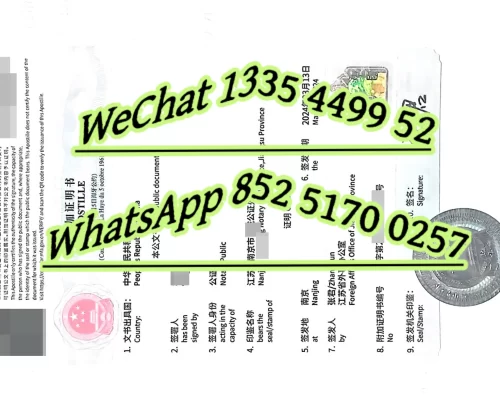
Before you apply: document checklist and information checks for St Andrews graduates
The University of St Andrews issues degree certificates and transcripts in a standard format, but every year some students are rejected due to small details. Before applying, I suggest spending half a day organising your materials.
Basic document checklist
-
Original University of St Andrews degree certificate: this must be the official original issued by the university – not a photocopy, student card, or transcript screenshot.
-
Complete official transcript: this should be an official transcript issued by the university, including all semesters, courses, and grades. If it is an electronic version, it must be verifiable through the university’s official system.
-
Copy of the personal information page of a valid passport: used to verify the applicant’s identity, especially the name spelling.
-
Authorisation statement: this is signed online during the CSCSE application, authorising the centre to verify information with the university.
-
Supplementary supporting documents: if your name has changed, you transferred or participated in an exchange programme, or the certificate information does not match your passport, you may need to provide an explanatory letter or additional evidence.
Special reminder: check these details first
The most important details on a St Andrews degree certificate and transcript include:
-
Whether the name spelling exactly matches the passport.
-
Whether the degree title, subject, and date of award are clear and correct.
-
Whether the student number, enrolment dates, and graduation dates correspond with the transcript.
-
Whether the course names and credits on the transcript are complete, with no missing pages or illegible sections.
Practical advice:
As soon as you receive the degree certificate and transcript, scan them at high resolution and zoom in on every detail. Many verification applications are rejected not because the academic background is problematic, but because a small piece of information does not match. If you find a problem, contact the University of St Andrews Registry or Student Services Centre as early as possible – do not wait until the final week before returning home.
5 key steps to complete St Andrews University diploma and transcript academic verification
The following process applies to most St Andrews graduates who have completed their studies normally. Please remember: specific policies may change over time, so always refer to the latest guidance on the CSCSE website before applying.
Step 1: Confirm the intended use and the receiving party’s requirements
Do not rush to submit. First, ask three questions:
-
Who will ultimately receive the verification result? An employer’s HR department, a talent service centre, an education bureau, or a civil service review system?
-
Does the receiving party require CSCSE academic verification, or do they also need a UK apostille?
-
Do they need a paper verification report, or is the electronic version acceptable?
This step can save you from preparing the wrong type of verification. For example, some city household registration policies only require the electronic CSCSE verification, while some employers also require the original certificate and transcript to be apostilled. Confirm first, then act.
Step 2: Prepare and verify the certificate and transcript; request university support if necessary
Most St Andrews degree certificates and transcripts can be used directly for the verification application. However, you may need the university’s assistance in the following situations:
-
The transcript is lost or incomplete, and you need an official replacement.
-
The certificate contains errors, such as a misspelled name or incorrect degree title.
-
You had a leave of absence, transferred programmes, or participated in an exchange during your studies, and the university needs to issue an explanation.
In these cases, contact the University of St Andrews Registry or Student Services Centre and explain that you need to complete Chinese academic verification. Ask whether the university has a process for issuing an official confirmation letter or supplementary statement. Do not alter documents yourself, and do not obtain transcripts through unofficial channels.
Step 3: Submit the CSCSE academic verification application
Currently, CSCSE academic verification is handled entirely online. You will need to:
-
Visit the China CSCSE website (Chinese Service Center for Scholarly Exchange).
-
Register an account and complete the application form, selecting “foreign academic degree verification”.
-
Upload scanned copies of your degree certificate, transcript, passport information page, and other materials.
-
Sign the authorisation statement online, allowing CSCSE to verify information with the University of St Andrews.
-
Pay the verification fee, submit the application, and wait for the result.
The underlying logic:
CSCSE does not evaluate whether your subject is strong or your grades are high. It only verifies whether your study experience is genuine and whether the degree was legally awarded. If the documents are complete and the information matches, verification usually proceeds smoothly. If the university responds slowly or the information is uncertain, the review may take longer.
Step 4: If required by the receiving party, also obtain a UK apostille
Some employers or household registration systems require both CSCSE verification and an apostille for the degree certificate and transcript. This is because an apostille addresses document authenticity, while CSCSE verification addresses academic recognition. You can prepare both in parallel.
The UK apostille is issued by the Foreign, Commonwealth & Development Office (FCDO) and is valid in China and other Apostille Convention member countries. You will need to:
-
Submit the original St Andrews degree certificate and transcript to the FCDO for legalisation.
-
Pay the fee and choose standard or expedited service.
-
After receiving the Apostille certificate, complete a Chinese translation if required.
Note: an apostille only applies to original documents; translation is a separate step. If the translation does not meet the requirements, your household registration or employment application can still be delayed.
Step 5: Monitor the review status and provide supplementary documents promptly
After submitting the CSCSE application, I recommend checking the system regularly for status updates. If you receive a notice requesting supplementary documents, do not panic. Simply prepare the items on the list. Common supplementary materials include:
-
An official explanatory letter from the university.
-
Visa records or entry/exit proof during your study period.
-
Complete scanned copies of your transcript.
Practical reminder:
Verification is not a one-shot process, and requests for supplementary documents are normal. As long as your academic background is genuine and your documents are authentic, the process will usually succeed. The key is to respond quickly and not delay.
What to do if your St Andrews certificate is lost, the transcript is incomplete, or information does not match
These are the most common problems, so I will address them separately.
What if the original certificate is lost? Can I still complete academic verification?
If the original St Andrews degree certificate is lost, you generally cannot complete CSCSE verification directly. You need to contact the university to apply for a replacement certificate, or ask the university to issue an officially verified statement of degree conferral. Replacement can take time, so plan for at least several weeks to several months.
Advice for parents:
As soon as your child receives the degree certificate and transcript, scan them and store them safely. Do not put them in carry-on luggage, and do not fold or laminate them. Lamination changes the appearance of the document and may affect later review.
Will failed or repeated courses on the transcript affect academic verification?
Under current review logic, CSCSE verification focuses on whether you ultimately obtained the degree and whether your study experience is genuine and complete. Individual failed or repeated courses on the transcript usually do not directly cause verification failure. However, if the transcript shows signs of forgery, tampering, or missing key semesters, it will be treated seriously.
Please remember:
Academic verification absolutely does not allow fraud. Even if your grades are not ideal, you must use the official transcript issued by the university. Any attempt to improve your grades by dishonest means may lead to serious consequences.
What if the information on the certificate does not match the passport?
If the name spelling, date of birth, or other details on the certificate do not match the passport, you will need to provide additional evidence. For example:
-
An explanatory letter issued by the University of St Andrews.
-
A copy of the old passport information page.
-
Proof of name change or notarised household register materials.
Practical reminder:
When St Andrews issues certificates, it sometimes uses the order of first name and last name shown in the passport, but domestic systems may display the name as “surname + given name”. This seems minor, but it can cause delays during household registration review. Always check this carefully before applying.
Frequently Asked Questions
Q1: Do I need to obtain a UK apostille in addition to CSCSE academic verification for my St Andrews diploma and transcript?
Not necessarily. CSCSE academic verification and the UK apostille are two different systems. CSCSE verification is China’s recognition of your academic degree, while the apostille is the UK government’s certification of document authenticity. Whether you need both depends on the specific requirements of the receiving party in China. Confirm with the employer or household registration system first before deciding whether to obtain the apostille.
Q2: If my St Andrews degree certificate is lost, can I still complete academic verification?
Yes, but you need to first obtain a replacement certificate or an official statement of degree conferral from the university. Contact the University of St Andrews Registry as soon as possible, explain the situation, and keep records of your communication with the university. Once the replacement is obtained, you can proceed with the normal verification application.
Q3: Will failed courses on my transcript affect academic verification?
Generally not. CSCSE verification examines the authenticity of your study experience and whether your degree was ultimately awarded, not the quality of your grades. As long as the transcript is an official, complete document issued by the university and there is no forgery, individual failed or repeated courses usually do not affect the verification result.
Action checklist for St Andrews students and parents
If you are preparing to apply, or if your child has not yet received their certificate and transcript, you can start with the following:
- □
After receiving the original certificate and transcript, scan and photograph them immediately.
- □
Check whether the name, degree, and dates on the certificate match the passport and transcript.
- □
Confirm with the receiving party in China whether CSCSE verification, an apostille, or a Chinese translation is required.
- □
Visit the CSCSE website to review the latest verification application process and document requirements.
- □
If you need to replace a certificate or transcript, contact the University of St Andrews as soon as possible to avoid delaying employment or household registration.
Remember:
Completing St Andrews University diploma and transcript academic verification is not an impossible process, but it requires care and early planning. Most people do not fail because the process is complicated; they fail because they start too late, do not check the details, or submit incomplete materials.
Final thoughts: do not let the last step delay your first job after returning home
I do not need to emphasise the value of a University of St Andrews degree. Graduating from here shows that you have strong academic ability and independent thinking. But when returning to China for employment, household registration, or civil service exams, document compliance matters just as much. Completing St Andrews University diploma and transcript academic verification is essentially a small step that can be planned in advance, but it requires you to verify information carefully, allow enough time, and prepare complete materials.
If you are currently dealing with this process, I suggest saving this article and using it as a step-by-step checklist. You are also welcome to leave a comment and share your situation: Are you facing a mismatch in certificate information, a missing transcript, or uncertainty about which document your employer actually needs? I will use my experience to help you decide what to ask and what to prepare next.
If you need a more systematic document checklist, follow and reply “St Andrews verification” to receive the University of St Andrews Academic Verification Document Checklist. I wish every St Andrews graduate a smooth transition back home, carrying the fruits of your studies on the east coast of Scotland confidently into the next chapter of life.