Saint Petersburg State University Diploma: A Comprehensive 2026 Guide for International Students
A Saint Petersburg State University diploma is a gateway to a globally respected Russian education. SPbU ranks among the top 300 universities worldwide, and its degree is recognized across Europe, Asia, and the Americas. For international students seeking affordable tuition, strong academic heritage, and a diploma that opens doors to careers in Russia and beyond, SPbU offers a compelling choice. This guide breaks down everything you need to know: from diploma types and global accreditation to exact costs, application steps, and post-graduation opportunities.
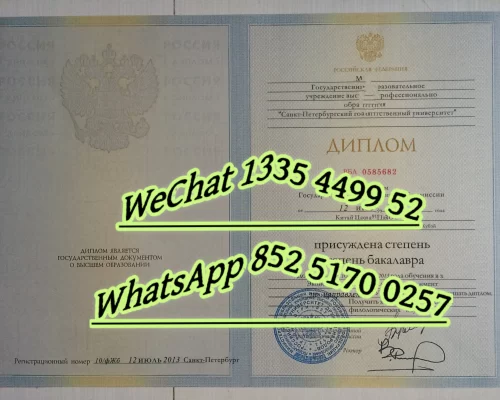
What Is a Saint Petersburg State University Diploma?
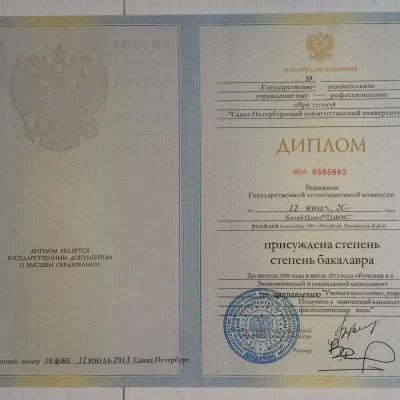
A Saint Petersburg State University diploma is a state-recognized higher education document awarded by Russia’s oldest and one of its most prestigious universities. SPbU offers diplomas at three main levels, all aligned with international educational standards.
The Legacy of Russia’s Oldest University
Founded in 1724 by Peter the Great, Saint Petersburg State University has shaped Russian science and culture for three centuries. Eight Nobel Prize winners, including physiologist Ivan Pavlov, are associated with the university. This deep academic heritage gives an SPbU diploma strong symbolic weight. The university maintains rigorous academic standards that reinforce the diploma’s prestige within Russia and in many international circles.
Types of Diplomas: Bachelor’s, Master’s, and Specialist
International students can earn an SPbU diploma at several levels. The most common paths are a four-year Bachelor’s degree, a two-year Master’s degree, and the traditional five-year Specialist degree, which is typical for fields like medicine or engineering. SPbU also awards PhD-level diplomas (Candidate of Sciences). Each diploma type is fully embedded in the Russian state accreditation system.
Russian-Taught vs English-Taught Diploma Programs
An SPbU diploma can be earned in Russian or, for a growing number of programs, entirely in English. Russian-taught programs require strong language proficiency, usually proven through the university’s own exam or a TORFL certificate. English-taught master’s programs are available in areas such as international relations, management, and data science. However, English-taught bachelor’s options remain limited, so most undergraduate students must complete a preparatory Russian language course before beginning their diploma studies.
How Globally Recognized Is an SPbU Diploma?
Global recognition is often the first concern for international students. A Saint Petersburg State University diploma enjoys solid standing in many regions, backed by government agreements and university rankings.
Accreditation and Bologna Process Alignment
Russia is a signatory to the Bologna Process, meaning SPbU diplomas are structured according to the ECTS credit system. This facilitates recognition across Europe. The university is also listed in the World Higher Education Database and recognized by UNESCO. Such institutional accreditation supports the diploma’s acceptance for further study at most European and Asian universities.
Diploma Recognition in China, Europe, and CIS Countries
An SPbU diploma is automatically recognized in CIS countries under multilateral agreements. In China, the university appears on the Ministry of Education’s accredited foreign institutions list, making its diploma valid for employment and postgraduate study. Within Europe, while formal recognition depends on the specific country and profession, the combination of Bologna compliance and SPbU’s reputation makes nostrification relatively straightforward for academic purposes.
Using Your SPbU Diploma for Employment or Further Study
For employment, the value of an SPbU diploma rises sharply if you target roles requiring deep regional expertise, language skills, or scientific training. Multinational companies operating in Russia and Eastern Europe often actively recruit SPbU graduates. When applying to master’s or PhD programs in Western universities, the diploma is generally accepted if accompanied by a diploma supplement and verified transcripts.
How to Apply for a Diploma Program at SPbU in 2026
The application process for a Saint Petersburg State University diploma is fully accessible to international students. The university operates a clear online admission system with two main intakes.
Admission Requirements for International Students
To apply for a bachelor’s diploma, you need a completed secondary education certificate legalized for use in Russia. For a master’s diploma, you must hold a recognized bachelor’s degree. English-taught programs typically require IELTS 6.0 or equivalent, while Russian-taught programs demand a TORFL-1 (B1) level or higher. There is no centralized entrance exam system; SPbU sets its own subject-specific tests or interviews.
Key Dates, Documents, and Entrance Examinations
For the September 2026 intake, the application window usually opens in March 2026 and closes by mid-July for visa-requiring students. Essential documents include a notarized translation of your passport, education certificates, a medical certificate, and proof of no HIV. Entrance exams are held online or on campus, and results are typically published within a few weeks. Competition for state-funded places is fierce, but self-funded diploma tracks have a much higher acceptance rate.
Preparatory Courses and Russian Language Pathways
Students with no Russian can enroll in a one-year preparatory (foundation) course at SPbU. This program teaches Russian and introduces subjects like mathematics or history, ending with a final exam. Completing the preparatory course significantly improves your chance of admission to a Russian-taught diploma program. Once you pass the finals, you can directly apply to your chosen faculty.
What Are the Costs of Earning an SPbU Diploma?
One of the strongest advantages of an SPbU diploma is its affordability compared to Western European or North American degrees. Saint Petersburg also offers a moderate cost of living.
Tuition Fees for Bachelor’s and Master’s Degrees (2026-2027)
For the 2026/2027 academic year, SPbU diploma tuition fees for international self-funded students range from approximately 280,000 to 480,000 RUB per year (about $3,000 to $5,200 USD). Bachelor’s programs in humanities and social sciences sit at the lower end, while laboratory-based sciences and certain professional master’s degrees cost more. English-taught master’s programs can be slightly higher, often around 400,000–520,000 RUB annually.
Living Expenses in Saint Petersburg
Living in Saint Petersburg is relatively budget-friendly. Monthly expenses, including accommodation, food, transport, and personal items, typically run between 30,000 and 45,000 RUB ($320–$480). University dormitories are the cheapest option, often costing under 10,000 RUB per month. Renting a private apartment near campus will naturally cost significantly more.
Scholarships and Financial Aid Options
International students can apply for Russian government scholarships, which cover full tuition and provide a small monthly stipend. The “Education in Russia” platform handles these applications, usually open from September to November 2025 for the 2026 intake. Additionally, SPbU itself offers limited merit-based scholarships. While competition for fully funded diploma places is intense, many students combine self-funding with a small scholarship to reduce costs.
Career and Employment Prospects with an SPbU Diploma
A Saint Petersburg State University diploma is more than an academic qualification; it is a career asset in specific job markets. Graduates benefit from the university’s location, reputation, and network.
Working in Russia After Graduation
Foreign students who complete an SPbU diploma can apply for a post-study work permit. Russia allows international graduates to work without a quota if they find a job in their field of study. Many SPbU graduates secure positions in St. Petersburg’s growing tech sector, consulting firms, or multinational corporations. Proficiency in Russian significantly expands your employment options.
Global Career Paths and Alumni Success
An SPbU diploma holds strong brand recognition in academia and diplomacy. Alumni include former presidents, top scientists, and CEOs of major Russian companies. For international students, the diploma can become a unique differentiator when applying for roles at organizations like the United Nations, embassies, or energy companies operating in the CIS region. The university’s career center provides job placement support, including resume checks and interview preparation.
Internship and Industry Connections During Study
During your diploma studies, SPbU’s partnerships with museums, research institutes, and corporations offer hands-on internships. These experiences often convert into job offers. Master’s programs, especially those in business and data science, integrate practical projects directly into the curriculum, making your SPbU diploma a record of both academic and applied achievement.
Frequently Asked Questions About SPbU Diplomas
Admission and Language Questions
Can I get an SPbU diploma without learning Russian?
Yes. Several master’s programs are taught fully in English. However, bachelor’s diploma programs are almost exclusively in Russian, requiring at least one year of preparatory language training.
What is the minimum GPA required for admission?
SPbU does not publish a fixed GPA. Admission is based primarily on entrance exam scores or interviews. A strong academic record definitely helps, but the exam performance is the deciding factor.
Is a preparatory course mandatory for a Russian-taught diploma?
Not if you already hold a TORFL certificate at the required level (usually B1 for bachelor’s, B2 for master’s). Without this certificate, the preparatory course becomes the only practical pathway.
Cost and Scholarship Questions
Are SPbU diploma programs really much cheaper than in Western Europe?
Yes. Annual tuition averages $3,000–$5,200 USD, and living costs are low. A full year of study and life in St. Petersburg often costs less than half of what you would spend in the UK or USA.
Can I work while studying for my diploma?
Yes. International students can work part-time with a permit. This can help cover living expenses but rarely covers full tuition.
Recognition and Career Questions
Will an SPbU diploma be recognized in my home country?
China, India, Vietnam, and all CIS countries recognize the diploma, often automatically. Graduates from the EU and the Americas may need to go through a nostrification procedure, but it is generally straightforward due to Bologna compliance.
Do I need a state exam to receive my SPbU diploma?
To obtain a bachelor’s or specialist diploma, students must pass state exams and defend a final thesis. Master’s diploma students defend a master’s thesis. These are compulsory for graduation.
Is an SPbU diploma strong enough for a PhD application in Europe?
Yes. Many SPbU graduates continue to PhD programs in Germany, France, and the Nordic countries. You must present your diploma supplement and translated transcripts as part of your application.
Ready to secure your Saint Petersburg State University diploma and study at one of Russia’s most historic universities? Begin your application today by visiting the official SPbU admissions portal, or contact the international office for a personalized consultation. Your journey to a globally respected diploma starts now.